Date :31-July-2024
Skin is the largest organ of the body and serves as the first line of defense against external elements. It is prone to various conditions that can affect its appearance and health. Understanding common skin conditions and their treatments is essential for maintaining healthy skin. This blog will explore some prevalent skin conditions and provide information on effective treatments. For expert care, consult Dr. Priya’s Skin and Hair Clinic in Bangalore.

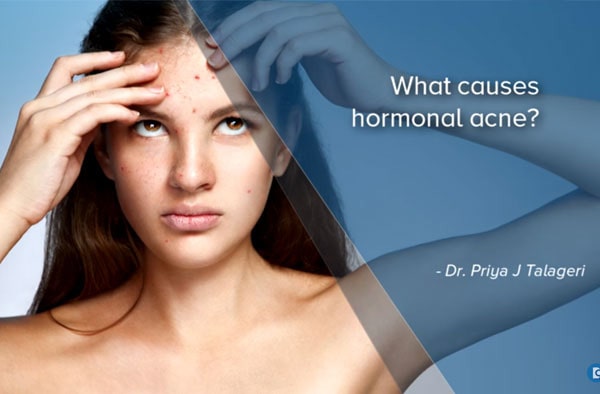
Acne
Overview: Acne is a common skin condition that occurs when hair follicles become clogged with oil and dead skin cells. It often manifests as pimples, blackheads, whiteheads, and cysts.
Symptoms:
- Whiteheads (closed plugged pores)
- Blackheads (open plugged pores)
- Pimples (small red, tender bumps with pus)
- Cysts (large, painful lumps beneath the skin)
Treatment:
- Topical Treatments: Benzoyl peroxide, salicylic acid, retinoids, and antibiotics.
- Oral Medications: Antibiotics, hormonal treatments (like birth control pills), and isotretinoin.
- Procedures: Chemical peels, laser therapy, and drainage of large cysts.
- Lifestyle Changes: Regular cleansing, avoiding greasy products, and a balanced diet.
Eczema (Atopic Dermatitis)
Overview: Eczema is a chronic condition characterized by inflamed, itchy, and red patches of skin. It commonly affects children but can occur at any age.
Symptoms:
- Dry, sensitive skin
- Intense itching
- Red, inflamed skin
- Dark-colored patches of skin
- Rough, leathery, or scaly patches
- Oozing or crusting
Treatment:
- Moisturizers: To keep the skin hydrated.
- Topical Steroids: To reduce inflammation and itching.
- Oral Medications: Antihistamines for itching, and corticosteroids for severe cases.
- Phototherapy: Exposure to ultraviolet light.
- Lifestyle Tips: Avoiding triggers, wearing soft fabrics, and using gentle skincare products.
Psoriasis
Overview: Psoriasis is an autoimmune condition that causes skin cells to multiply rapidly, resulting in thick, red, scaly patches. It can appear anywhere on the body but commonly affects the scalp, elbows, and knees.
Symptoms:
- Red patches of skin covered with thick, silvery scales
- Dry, cracked skin that may bleed
- Itching, burning, or soreness
- Thickened or ridged nails
- Swollen and stiff joints
Treatment:
- Topical Treatments: Corticosteroids, vitamin D analogues, and retinoids.
- Systemic Medications: Oral or injected medications that affect the entire body, like methotrexate and biologics.
- Light Therapy: UVB phototherapy.
- Lifestyle Changes: Stress management, moisturizing, and a healthy diet.
Rosacea
Overview: Rosacea is a chronic skin condition that causes redness and visible blood vessels in the face. It may also produce small, red, pus-filled bumps.
Symptoms:
- Facial redness
- Swollen red bumps
- Visible blood vessels
- Eye irritation
- Thickened skin
Treatment:
- Topical Medications: Metronidazole, azelaic acid, and ivermectin.
- Oral Medications: Antibiotics like doxycycline.
- Laser Therapy: To reduce redness and visible blood vessels.
- Lifestyle Adjustments: Avoiding triggers, using gentle skincare products, and sun protection.
Dermatitis
Overview: Dermatitis is an umbrella term for various types of skin inflammation, including contact dermatitis, seborrheic dermatitis, and atopic dermatitis.
Symptoms:
- Red rash
- Itching
- Swelling
- Dry, cracked skin
- Blisters (in contact dermatitis)
- Flaky scales (in seborrheic dermatitis)
Treatment:
- Topical Treatments: Corticosteroids and calcineurin inhibitors.
- Oral Medications: Antihistamines for itching.
- Moisturizers: To prevent dryness and cracking.
- Identifying Triggers: Avoiding allergens and irritants.
Fungal Infections
Overview: Fungal infections, such as athlete’s foot, ringworm, and yeast infections, occur when fungi invade the skin, nails, or hair.
Symptoms:
- Red, scaly, or cracked skin
- Itching and burning
- Blisters or sores
- Thickened, discolored nails (in nail infections)
Treatment:
- Topical Antifungals: Creams, ointments, or sprays containing clotrimazole or miconazole.
- Oral Antifungals: Medications like fluconazole or terbinafine for more severe infections.
- Good Hygiene Practices: Keeping affected areas clean and dry, avoiding sharing personal items.
Conclusion
Maintaining healthy skin requires understanding common skin conditions and seeking appropriate treatments. Early intervention and proper care can significantly improve skin health and quality of life. For comprehensive skin care and expert treatment, consult Dr. Priya’s Skin and Hair Clinic in Bangalore. Dr. Priya and her team offer personalized care for various skin conditions, ensuring the best possible outcomes for their patients.
Taking proactive steps to address skin issues can help you achieve and maintain healthy, glowing skin. If you experience any persistent skin problems, don't hesitate to seek professional advice and treatment.